How to Spot Early Damage Before Calling Termite Control Services
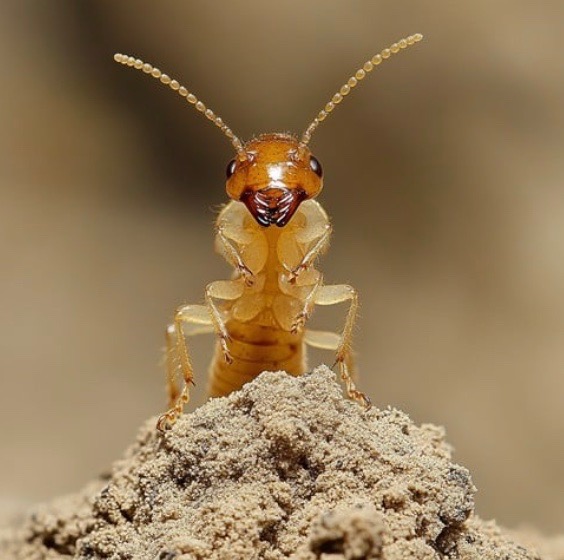
Most termite problems do not Termite Control Services begin with dramatic scenes, collapsing trim, or clouds of swarmers pouring out of a wall. They begin quietly. A baseboard looks slightly rippled. A window suddenly sticks in humid weather, then keeps sticking after the weather changes. A faint line of mud appears where concrete meets framing, small enough to dismiss as dirt tracked in from outside. By the time obvious damage appears, termites have often been working for months or longer.
That is what makes early detection valuable. Not because a homeowner can solve a termite problem alone, but because recognizing the first signs can narrow the scope of damage, reduce repair costs, and help you call the right professional before a minor issue becomes a structural one. In practice, people often wait because they expect termite damage to look severe. Early damage rarely does. It usually looks ordinary, almost boring, which is exactly why it is missed.
The good news is that termites tend to leave patterns. Once you know what those patterns look like, a quick walk around the home becomes much more useful. You do not need specialized training to notice changes in wood, paint, drywall, trim, and moisture-prone areas. You do need patience, decent lighting, and a willingness to investigate things that seem slightly off.
Why early termite damage is so easy to misread
Termites work from the inside out. That one fact explains a lot. Surface materials can appear mostly intact even when the inner wood fibers have been eaten away. A door frame may still look painted and solid from across the room, yet feel papery when pressed. Flooring may hold your weight, but sound hollow in one spot. Trim may stay attached to the wall, but bubble under paint where moisture and termite activity have disturbed the surface.
Homeowners often assume visible insect damage should come with visible insects. With termites, that is not always true. You may never see a live termite unless a colony swarms, a mud tube is opened, or damaged wood is broken apart. Subterranean termites, the type responsible for much of the structural damage in many regions, stay hidden because they need moisture and protected travel routes. Drywood termites behave differently, but they are also easy to overlook in early stages because they remain inside wood and leave only subtle evidence.
Another reason early damage gets missed is that it overlaps with common house issues. Water damage, settling, poor paint adhesion, and seasonal movement in lumber can look similar at first glance. Termite Control Services maximumpests.com The distinction is not always obvious. Professional termite inspections matter for exactly that reason. Still, knowing what to look for can help you decide when an ordinary maintenance issue may justify a call to Termite Control Services.
The first places to inspect
Start where wood, moisture, and darkness meet. In real homes, termite clues often show up in the least glamorous places: crawl spaces, garage edges, utility penetrations, under sinks, behind stored items, around water heaters, near bath traps, and along exterior foundations hidden by mulch or shrubs.
Inside, use a flashlight and move slowly. Look at baseboards, door casings, window trim, flooring transitions, cabinets under plumbing, and unfinished utility areas. Outside, inspect the lower perimeter of the home, especially where siding approaches soil, where porches connect to the structure, and where fence posts, steps, or trellises touch the house. Termites are opportunists. They exploit any contact point that gives them concealed access.
One inspection habit that helps is changing your viewing angle. Damage that disappears in direct overhead light often becomes visible when you crouch and let the flashlight skim across a painted surface. Small blisters, subtle warping, and pin-sized holes stand out better that way.
What damaged wood feels and sounds like
Healthy wood has resistance. Even older, dried wood tends to feel firm when tapped or pressed. Termite-damaged wood often loses that resistance long before it breaks apart. It can sound hollow, especially in trim, door frames, and exposed framing. If pressed with a fingertip or the handle of a screwdriver, it may give slightly rather than pushing back.
This is where judgment matters. Not every soft spot means termites. Wet wood from a plumbing leak can become punky and weak. Rot fungi can cause crumbling, darkened wood with a very different pattern from termite galleries. The texture tells part of the story. Rot tends to follow moisture saturation and often leaves wood stringy or crumbly. Termite activity usually produces internal channels, leaving a thin outer shell or layered sections that break cleanly once disturbed.
If you tap along a run of trim and one section suddenly sounds drummy while the rest sounds solid, pay attention. If painted wood looks normal but dents unusually easily, pay even closer attention.
Mud tubes are not just dirt lines
For subterranean termites, mud tubes are one of the clearest warning signs. These narrow tubes, often about the width of a pencil or smaller, are built from soil, saliva, and debris. They allow termites to travel while staying moist and protected from light and predators. You may find them on foundation walls, inside crawl spaces, along piers, behind insulation, or climbing from the slab to framing.
People often wipe them away, assume they came from another insect, or mistake them for dried mud splashes. The important detail is shape and placement. Mud tubes usually follow a deliberate route. They bridge exposed areas, attach to surfaces rather than merely staining them, and may reconnect at hidden cracks or joints. Break one open and you may or may not see live termites. An inactive tube does not automatically mean the problem is gone. Colonies abandon routes and build new ones.
I once saw a case where a homeowner noticed what looked like a smear behind stored paint cans in the garage. It had probably been there for months. When the cans were moved, three separate mud tubes were visible, each running from a slab crack to the bottom plate behind drywall. The visible damage indoors was almost nonexistent. The activity behind the wall was not.
Paint bubbles, swollen trim, and the signs people blame on humidity
One of the more deceptive clues is distorted paint. When termites tunnel close to the surface, they can change the way paint and finish materials sit on the wood. You may see bubbling, faint blistering, hairline cracks, or areas that seem slightly raised. It looks remarkably similar to moisture problems. In fact, moisture often contributes to the conditions that let termites thrive, so the two issues can exist together.
Swollen trim and tight-fitting doors or windows also deserve a second look. Yes, seasonal humidity can make wood expand. So can leaks, poor ventilation, and old house movement. The question is whether the symptom is isolated, worsening, or paired with others. A sticking window beside baseboard blistering and suspicious softness is different from a whole house reacting during a rainy week.
This is where context matters more than any single sign. Termite activity is often diagnosed from clusters of small observations rather than one dramatic piece of evidence.
Frass, wings, and other signs that appear briefly
Drywood termites leave frass, which looks like tiny hard pellets. People describe it as sawdust, but that is not quite right. Fresh frass is more granular and uniform than wood dust from drilling or sanding. It may collect in small piles beneath kick-out holes in infested wood, especially around window sills, trim, attic framing, or furniture.
Swarmers and discarded wings are another important clue. During swarm season, reproductive termites emerge to form new colonies. Homeowners often find the wings first, scattered along windows, near doors, on spider webs, or around light sources. Because flying ants also swarm, identification matters. Termite wings are typically equal in length, while ant wings are not. Their bodies differ too, but many people only get a quick look before cleaning them up.
If you find a neat pile of translucent wings on an interior sill, do not shrug it off. It may represent a one-time swarm, or it may suggest activity close by. Either way, it justifies a closer inspection.
Areas where early damage commonly hides
Certain parts of a home deserve more suspicion than others, not because termites only attack there, but because these areas provide the right combination of concealment and moisture.
- Baseboards and trim near bathrooms, kitchens, and laundry areas
- Garage walls, slab edges, and expansion joints
- Crawl spaces, sill plates, joists, and support piers
- Exterior door frames, porch posts, and wooden steps
- Window trim, especially where caulking or flashing has failed
These are also places where people store items, paint over problems, or simply stop looking closely. A packed garage can hide termite tubes for a long time. So can decorative landscaping piled too high against siding.
The difference between termite damage and water damage
This is one of the most practical distinctions a homeowner can learn, even though there is overlap. Water damage often leaves staining, darkening, peeling finishes, and broad areas of softness that follow the path of a leak or condensation problem. The wood may feel wet, smell musty, or show fungal growth. The damage is often worst directly under or beside the moisture source.
Termite damage is more concealed and more deliberate in pattern. With subterranean termites, outer surfaces can stay surprisingly intact while interior galleries spread along the grain. With drywood termites, pellets and small exit holes are common clues. Termites also tend to exploit specific entry points, so you may see isolated damage in one frame, one threshold, or one section of trim while nearby materials seem unaffected.
Still, this is not a neat either-or situation. Moisture issues often attract termites by making wood more accessible and conditions more favorable. In practice, a smart inspection treats unexplained moisture and possible termite signs as related until proven otherwise.
A simple way to check suspicious areas without causing harm
You do not need to start tearing into walls. In fact, aggressive probing can make diagnosis harder or disturb evidence that helps professionals assess the situation. A careful homeowner check should stay light and observational.
- Use a flashlight, a thin screwdriver or awl, and a phone camera
- Tap exposed wood and note any hollow or papery sound
- Press gently at blistered or warped areas, without gouging deep
- Photograph anything unusual, including location and scale
- Check the same spot again in a week or two if the sign is unclear
The goal is not to confirm the species or measure the full extent of the infestation. The goal is to notice patterns, document them, and decide whether the issue is growing or significant enough to call Termite Control Services.
Clues outside the house that people overlook
Exterior inspection often reveals the story faster than interior inspection. Start at ground level. Termites enter where construction details give them cover, and many homes have more of these points than owners realize. Siding that ends too close to soil, mulch piled against walls, planter boxes attached directly to the house, foam insulation extending below grade, and untreated wood debris left in crawl spaces all increase risk.
Look at foundation lines for tubes, especially where cracks, utility lines, or additions create interruptions. Examine porch columns, deck posts, and stair stringers where they meet concrete or soil. Check whether irrigation regularly wets the same section of wall. Constant moisture near the foundation is one of the most common conditions behind subterranean termite discoveries.
Fences deserve attention too. A wooden fence connected to the house can act like a bridge. So can trellises, attached planter structures, and stored firewood stacked directly against siding. Many infestations are first discovered not in the house itself, but in an adjacent wooden feature that gave termites a convenient path.
When a sign is minor, and when it is urgent
Not every suspicious mark demands emergency service the same day. A single patch of bubbled paint with no softness, no wings, no frass, and no exterior evidence may justify observation and a routine inspection rather than panic. On the other hand, some combinations should move quickly to the top of your list.
Urgency rises when you have visible mud tubes, multiple soft spots, active swarmers indoors, fresh frass appearing repeatedly, or doors and trim changing rapidly without an obvious moisture explanation. It also rises if the home has a prior termite history, a crawl space with chronic dampness, or recent construction that may have disturbed soil barriers.
One practical rule is this: if evidence points to active movement rather than old, isolated damage, do not wait long. Termites do not take weekends off, and hidden feeding continues whether or not the surface looks worse.
What to do before the inspection appointment
Once you decide to call professionals, a little preparation helps. Clear access to walls in garages, under sinks, around attic hatches, and in crawl space entries if your home has them. Move stored items a foot or two away from suspicious areas. Gather any photos you have taken over time, especially if you noticed changes but repaired or repainted nearby surfaces.
Avoid spraying household insecticides into suspected termite areas. This is a common reaction, and it rarely helps. Surface sprays may kill a few visible insects while driving activity deeper into hidden areas or complicating the inspection. The same goes for ripping out damaged trim before anyone sees it. Preserve the evidence until the technician can evaluate it.
A good inspection is not just about confirming termites. It is about identifying species, moisture conditions, entry points, conducive construction details, and the probable spread of damage. That broader view is why experienced Termite Control Services are worth involving early.
What professionals notice that homeowners usually miss
A trained inspector reads the house differently. They look for shelter tube architecture, moisture patterns, slab penetrations, previous treatment evidence, wood-to-soil contact, and subtle distortion in finishes that most owners never connect to insect activity. They also understand regional behavior. In some climates, subterranean termites dominate and foundation conditions matter most. In others, drywood termites are a bigger concern, and attic framing or upper-story trim may deserve closer attention.
Professionals also know the limits of surface signs. A visible tube may be the tip of a larger issue, or it may be one isolated route from a colony still outside the structure. Hollow trim might mean widespread feeding, or it might reflect a confined pocket. Good judgment comes from pattern recognition built over many inspections, not from any single symptom.
That matters because overreaction can be expensive in its own way. I have seen homeowners assume worst-case structural damage from a few discarded wings, only to find that a limited treatment and minor repair solved the issue. I have also seen people ignore faint evidence because “the wood still looked fine,” then discover substantial hidden damage during a remodel. The middle path is informed attention, followed by timely expert evaluation.
The value of catching it early
Early detection does not guarantee a small repair, but it improves the odds dramatically. Replacing a section of trim, treating a localized area, or correcting exterior conditions is one kind of project. Sistering joists, rebuilding wall sections, or opening large areas of finish material is another. The difference often comes down to how long the infestation stayed unnoticed.
That is why a five-minute glance around the home is not enough. A useful check is deliberate. It means kneeling by baseboards, opening the cabinet under the sink, shining a light along the garage slab edge, and walking the entire exterior perimeter instead of only the front entry. Done once or twice a year, especially before and after warmer swarm seasons, it can reveal small signs at the stage when they are easiest to address.
A house rarely announces termite trouble loudly at first. It hints. The skill is learning which hints matter. If wood sounds hollow, paint behaves strangely, mud tubes appear, wings collect where they should not, or trim softens without a clear reason, treat those signs seriously. You do not need to diagnose everything yourself. You only need to notice enough, early enough, to know when it is time to bring in Termite Control Services.
Maximum Pest Control
836 NE 7th Terrace Suite #5
Cape Coral, FL 33909
+1 239-772-7363
FAQ About Termite Control Services
What are two signs of a termite infestation?
Mud tubes along a foundation and piles of shed wings near doors or windows are two signs to investigate. Mud tubes are associated with subterranean termites. A licensed inspector can identify the insect and assess whether there is active infestation.
How many years does a termite treatment last?
There is no single timeline for all treatments. The method, site conditions, and maintenance affect how long protection lasts. Bait systems rely on monitoring and service. Ask the provider for the recommended inspection schedule and the terms of any coverage.
Is Termite Treatment Expensive in Cape Coral?
Cost depends on the termite species, the size and construction of the property, the extent of activity, and the treatment method. Request a written estimate after inspection and ask whether monitoring, follow-up visits, and renewals are included.